
Determine how often to detail your car by scheduling a professional service at least two to three times a year, or once every four to six months. Perhaps every month depending on your wants and needs. Georgia drivers should prioritize seasonal exterior care to combat heavy pollen and intense sun; additionally, interior detailing every few months protects surfaces from high humidity.
Living in Roswell means fighting a constant battle against the elements. Whether it is the thick coating of yellow pollen in the spring or the stubborn red clay that clings to your wheel wells after a summer storm, Georgia presents unique challenges for every vehicle owner. Maintaining that showroom shine requires more than just an occasional wash; it demands a strategic approach to preservation. At Carman Detailing, we understand that your vehicle is a significant investment that deserves protection from intense UV rays and high humidity. In this guide, we will break down exactly how often you should detail your car based on our local climate. You will learn about the critical role of seasonal maintenance, the factors that might accelerate your schedule, and why consistent care is the most effective way to prevent permanent depreciation.
The Real Answer to How Often to Detail Your Car in Georgia
Most national car care guides suggest a professional detail every four to six months. While that might work in more temperate climates, Georgia drivers face a unique set of environmental stressors that demand a more strategic approach. When considering how often to detail car Georgia owners must account for the abrasive pine pollen of the spring and the relentless humidity of the summer, both of which can degrade a vehicle’s finish faster than many realize.
At Carman Detailing, we distinguish between a restorative detail and a maintenance schedule. A restorative service is designed to correct deep-seated issues like paint oxidation or heavily soiled carpets. In contrast, a maintenance schedule focuses on preserving the vehicle's surfaces through regular protection. We view our professional detailing packages as a long-term investment in your vehicle’s resale value and structural integrity rather than a one-time luxury.
Local driving habits in Roswell also play a significant role in your scheduling. An SUV that spends several hours a week commuting on GA-400 is subjected to high-speed road debris, industrial fallout, and oily road film that a vehicle used for short trips around Canton Street avoids. These contaminants bond to the paint, requiring more frequent decontamination to prevent permanent etching. Transitioning from a mindset of 'cleaning' to one of 'preserving' is the first step in protecting your vehicle against the specific challenges of the Peach State.
Spring: Surviving the Infamous Georgia Pollen Season
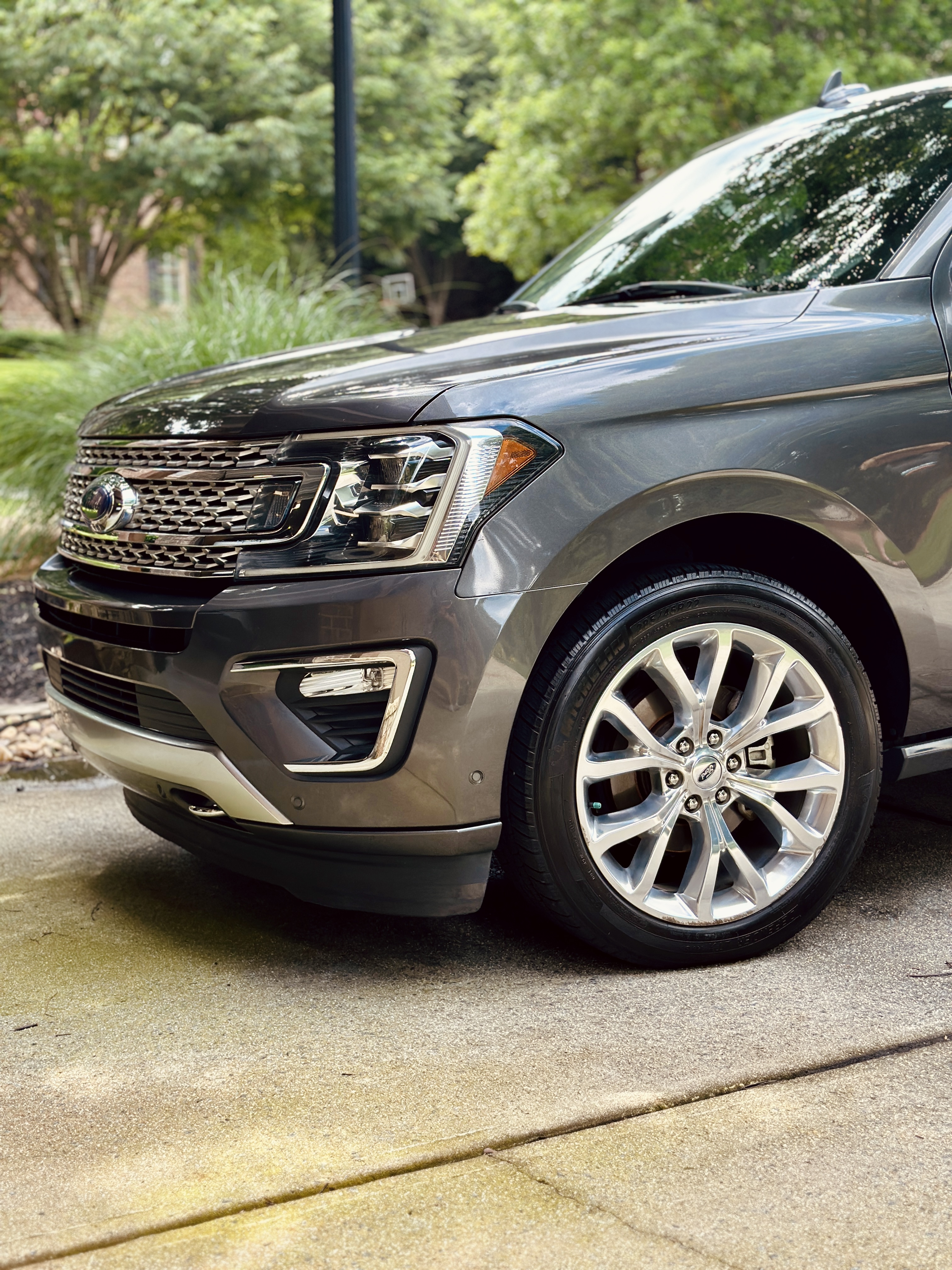
In North Georgia, the arrival of spring is synonymous with the "Yellow Season." This period represents the most aggressive environmental challenge your vehicle will face all year. Understanding the microscopic structure of pine pollen is essential for proper maintenance. Unlike common household dust, pine pollen grains are shaped like spiky, triangular hooks designed to cling to surfaces. When these particles settle on your car, they act like microscopic sandpaper. If you attempt to wipe the yellow film away with a dry cloth or a California duster, you are effectively grinding those spikes into your clear coat, creating the unsightly swirl marks and cobwebbing that dull a vehicle’s shine.
To combat this, we recommend a thorough professional detail at the very beginning of the spring season. This service focuses on applying a robust sacrificial layer, such as a high-grade polymer sealant or a ceramic coating. This barrier is crucial because it prevents the pollen from bonding directly to the paint. Once this protection is in place, the strategy shifts to bi-weekly maintenance washes. Using plenty of water and pH-neutral soaps allows the pollen to be encapsulated and rinsed away safely without the need for heavy scrubbing.
Roswell residents frequently ask: "Is it worth washing a car during pollen season?" Many drivers feel defeated by the fact that a car will be covered again within hours. However, regular washing is vital for preventing paint etching. When pollen combines with Georgia’s high morning humidity or a light spring rain, it forms an acidic biological soup. As the sun comes out and temperatures rise, this mixture bakes into the finish, potentially causing permanent damage to the clear coat. Consistent maintenance during these peak weeks ensures these acids never have the chance to sit long enough to cause structural harm. For many, this seasonal reality dictates how often to detail car Georgia vehicles to ensure the finish remains vibrant and smooth for years to come.
Summer: Protecting Against Intense UV and Humidity
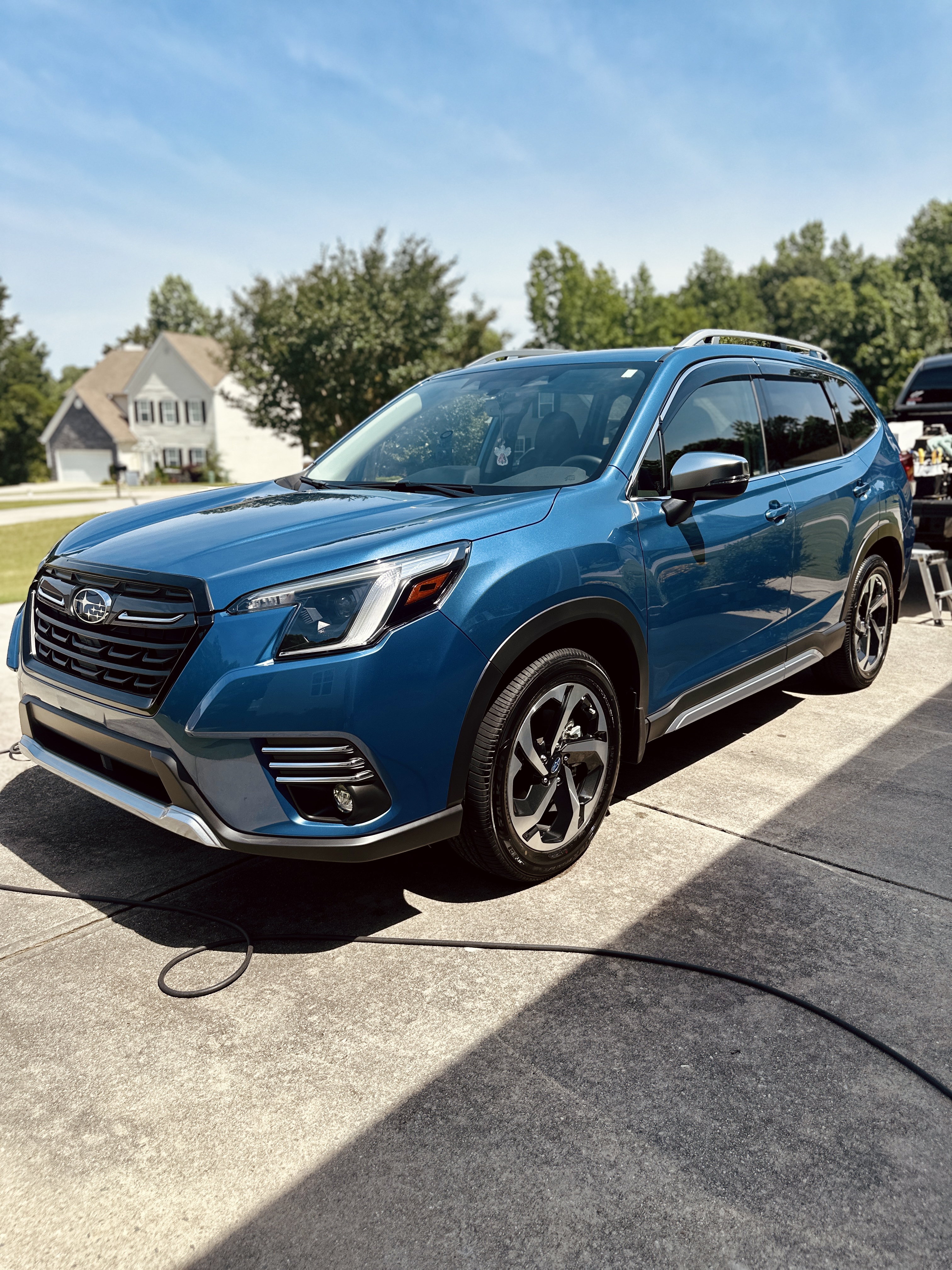
As the yellow dust of spring settles, it is replaced by the brutal intensity of the Georgia sun. In Roswell, summer temperatures frequently exceed 90 degrees, often pushing the UV index into the extreme category. This constant bombardment of ultraviolet radiation is the primary cause of clear coat failure and paint oxidation. Without a protective barrier, the sun’s energy breaks down the chemical bonds of your car's finish, leading to a dull, chalky appearance that is expensive to reverse.
Think of ceramic coatings or high-quality polymer sealants as high-SPF sunscreen for your vehicle. Unlike traditional carnauba waxes that can actually melt or degrade in extreme heat, these advanced coatings are engineered to withstand high temperatures. This protection is critical because of the baking effect. When bird droppings or tree sap land on your car in July, the heat causes the paint's pores to expand, allowing acidic contaminants to sink deeper into the finish. A professional sealant prevents this penetration, ensuring these hazards can be wiped away during a routine wash rather than etching permanently into the surface.
Inside the cabin, the heat is even more destructive. When a car sits in a local parking lot, interior temperatures can quickly climb above 140 degrees. This heat causes plastics and vinyl to off-gas, creating a hazy film on the inside of your windshield and eventually leading to brittle, cracked dashboards. We recommend a mid-summer interior detail to deep clean these surfaces and apply specialized UV inhibitors. Conditioning leather at this stage is essential to replace the natural oils lost to evaporation, keeping seats supple and preventing the characteristic cracks that plague neglected vehicles. If you are unsure about the current state of your protection, you can learn more about our mobile service and how we shield local vehicles from the summer elements. Determining how often to detail car Georgia during these peak months often comes down to the level of shade your vehicle receives and how long it sits exposed to the midday sun.
Fall and Winter: Managing Red Clay and Road Grime
As temperatures drop in Roswell, the environmental threats shift from airborne pollen and UV rays to ground-level contaminants. Georgia is famous for its heavy red clay, which becomes a persistent sludge during our wetter fall months. This clay is highly iron-rich and chemically reactive. Once it splashes onto your wheel wells, rocker panels, and lower doors, it creates a stubborn film that regular car washes often fail to fully remove. If left to sit, the moisture trapped in the clay can accelerate the oxidation of metal components.
While North Georgia avoids the heavy snow of the Midwest, local municipalities frequently treat bridges and main thoroughfares like GA-400 with liquid brine or road salt at the first hint of a freeze. This salt is a powerful catalyst for corrosion. A professional detail before the holiday season acts as a defensive shield. This is where the distinction between car detailing and simple cleaning becomes clear. A cleaning might make the car look presentable for family gatherings, but a professional detail involves a deep decontamination of the paint followed by the application of a high-quality sealant.
This protective layer prevents road salt and acidic clay from making direct contact with your clear coat. Scheduling a full service in late October or November ensures your vehicle is protected against the increased moisture and chemical treatments of the coming months. If you are curious about how often to detail car Georgia vehicles during this transition, consider the state of your wheel wells. If the red stains are starting to linger after a rain, it is time to contact Carman Detailing for a restorative deep clean and fresh protection.
How Often Should I Do Interior Detailing?
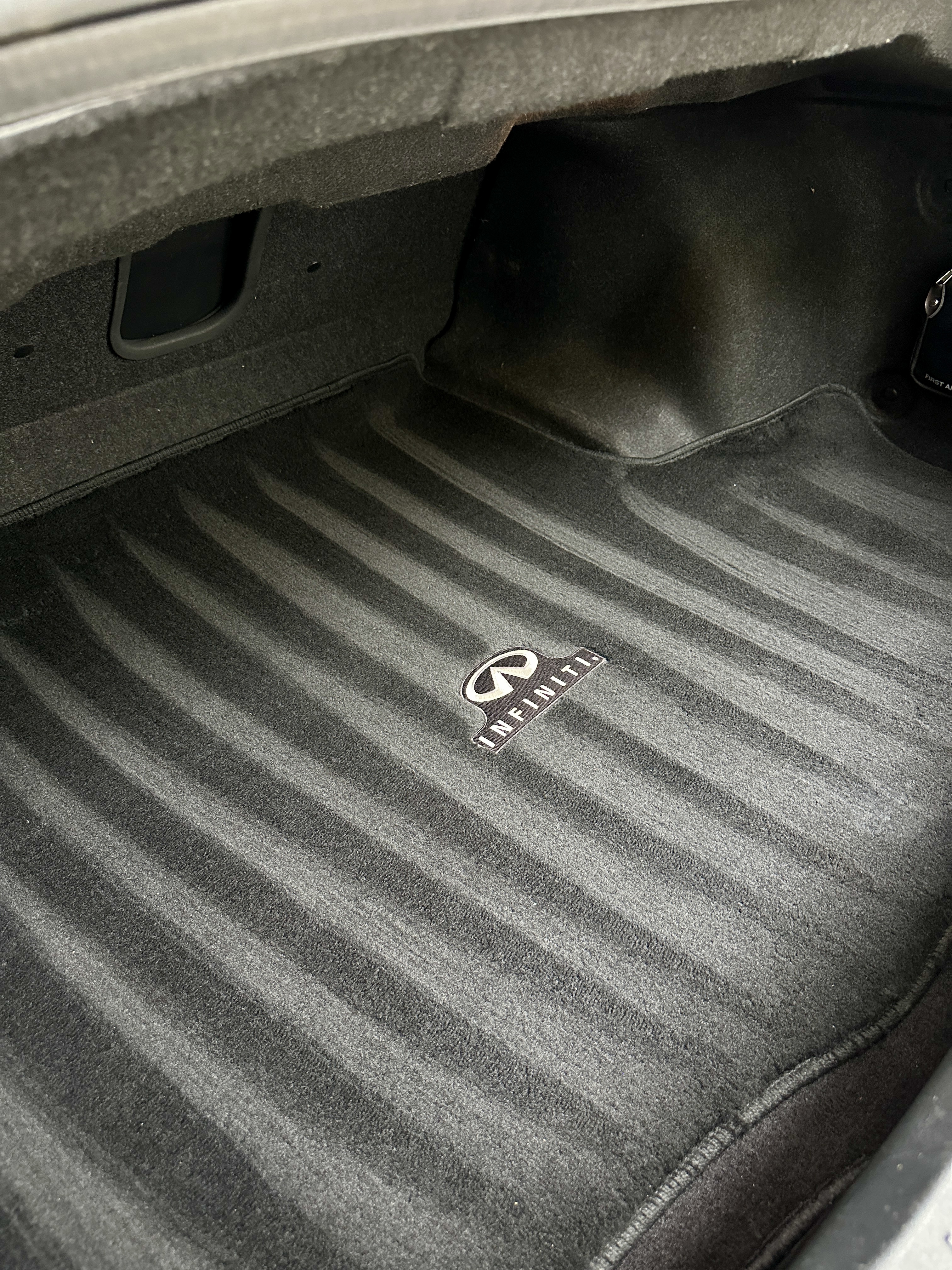
While exterior protection shields the vehicle from the elements, interior detailing is a matter of personal hygiene, comfort, and air quality. The ideal frequency depends largely on your lifestyle and how the vehicle is used in your daily routine.
For families in Roswell active with youth sports at Wills Park or hauling pets to the Greenway, an interior detail every 2 to 3 months is the recommended standard. High foot traffic brings in Georgia red clay, organic crumbs, and pet dander that can quickly become embedded in carpet fibers. Regular intervals prevent these materials from breaking down and causing permanent odors or fabric degradation. Beyond aesthetics, frequent cleaning helps manage the allergens that inevitably find their way into the upholstery.
For professionals who spend significant time commuting to Atlanta, a schedule of every 4 to 6 months is usually sufficient to maintain a crisp, executive appearance. A clean cabin acts as a mobile office; removing the dust that accumulates from constant HVAC use ensures a professional environment and prevents the buildup of oils on leather steering wheels and touchscreens.
A critical component often overlooked during these services is the cabin air filter. During peak pollen months, your interior surfaces and ventilation system act as a trap for microscopic particles. A deep interior detail, combined with replacing a clogged cabin filter, significantly improves the air quality inside the vehicle. If you notice sticky surfaces, a lingering musty smell, or a film developing on the inside of the glass, these are immediate indicators that you are overdue for service. Maintaining this habit ensures that when you consider how often to detail car Georgia residents can enjoy a cabin that is as healthy as it is clean. Our professional detailing packages are structured to address these specific interior needs regardless of your vehicle's usage level.
Factors That Accelerate Your Detailing Schedule
Standard recommendations serve as a baseline, but local environmental factors often dictate a more aggressive schedule. Residents in Roswell’s heavily wooded neighborhoods frequently deal with parking under oak or pine trees, which introduces constant exposure to sap and organic fallout. These substances are highly acidic. If left to bake in the Georgia sun, they can compromise a sealant in a matter of weeks. High-speed commutes on GA-400 also accelerate wear, as constant exposure to road debris and oily film requires frequent chemical decontamination to keep the paint smooth.
A practical way to manage this is the 30-60-90 rule. Every 30 days, inspect the paint’s protection by observing how water behaves on the surface. If water stops beading, the protection is thinning. Every 60 days, focus on conditioning high-touch areas like leather seats to prevent friction from wearing down the material's topcoat. By the 90-day mark, a deep clean is essential to strip away bonded contaminants that a basic wash cannot reach.
Vehicles equipped with ceramic coatings enjoy a longer window between restorative services, but they still require regular professional maintenance to remove minerals and traffic film. Checking your vehicle against these specific factors helps determine exactly how often to detail car Georgia vehicles in your household. If you are ready to set a recurring schedule, explore our professional detailing packages or learn more about our mobile service to see how we protect local vehicles year-round.
The Cost of Neglect: Why Regular Detailing Saves Money
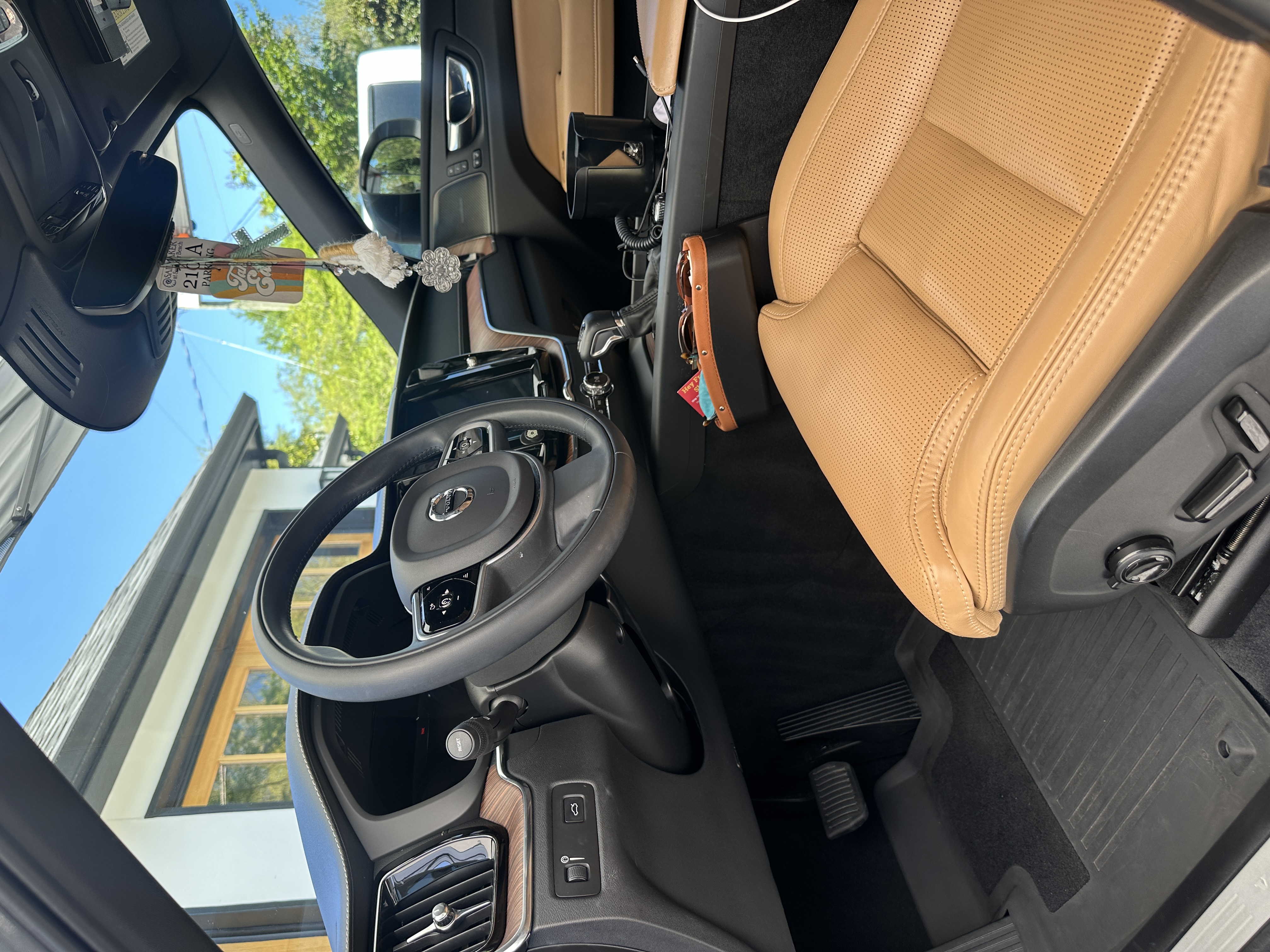
Viewing vehicle care as an optional luxury is a costly financial mistake that many owners eventually regret. In the industry, we often reference the "$3000 rule." This principle suggests that spending a few hundred dollars annually on proactive maintenance prevents the necessity of a $3,000 paint correction or a total interior upholstery replacement down the road. When the time comes to sell or trade in a vehicle, the difference between a "good" and "excellent" condition rating can fluctuate by thousands of dollars. This gap is almost always determined by how well the surfaces were protected from Georgia’s harsh environment.
For many Roswell residents, the hurdle to consistent maintenance is time rather than cost. Because Carman Detailing operates as a mobile unit, the convenience of on-site care at your home or office makes sticking to a four-month schedule effortless. Regularly scheduled professional detailing packages ensure that contaminants like acidic sap or abrasive red clay never sit long enough to cause permanent etching. You can learn more about our mobile service to see how we help local homeowners protect their investment. To secure your vehicle's future resale value, contact Carman Detailing to establish a maintenance plan tailored to how often to detail car Georgia vehicles in your specific neighborhood.
Maintaining your vehicle in peak condition across Georgia’s shifting seasons requires a proactive approach. From the intense summer sun to the thick spring pollen, consistent care is the best way to preserve your car’s long term value and beauty. While routine cleaning can be done at home, achieving a deep, protective finish often requires professional precision. If you want expert help keeping your ride pristine, you can learn more about our team and our dedication to the Roswell area. We are always ready to help your vehicle look its absolute best.